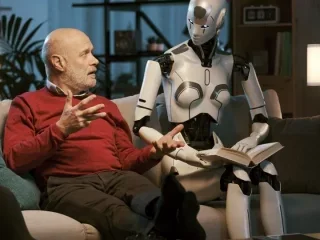


AI girlfriend apps used to live in the same folder as novelty filters and games you downloaded at 2 a.m., then forgot about.
Lovescape, an emotional AI technology brand focused on personalized AI companions, is betting that you want something more deliberate from an AI relationship. On the platform, people build AI characters that respond to their quirks and boundaries, which could change the way digital companionship fits into daily life.

Relationships That Mirror the Person Using Them
Many AI companion tools present a finished character and ask you to adapt. This platform flips that expectation. Users start by building an AI character from the ground up, choosing traits, backstory, communication style, and the kind of bond they want to explore.
The result might feel like an AI boyfriend who sends chaotic voice notes, an AI girlfriend who loves long lore dumps about your favorite show, or a quieter virtual companion who texts like a slow-burning friend. Each one is designed to reflect what the human on the other side actually wants.

Memory as the Core Emotional Engine
You remember the person who texted you back in the middle of the night, not the one who asked how your day was three weeks later. Lovescape builds around that kind of emotional bookkeeping. Each AI character keeps track of what you share over time: the comfort shows you rewatch, the ex you don’t want to dissect again, and the topics that light you up or shut you down.
The AI chat doesn’t wipe clean every session, so you’re not reintroducing yourself or re-explaining the same boundary on repeat. Instead, the platform’s emotional AI uses memory to carry forward inside jokes, sore spots, and lines you don’t want crossed.
For people using digital companionship to test identities, rehearse hard conversations, or just feel genuinely understood by something on a screen, that stored history may be what makes it feel like a relationship rather than background noise.

Emotional Technology Built With Guardrails
Any tool that touches intimacy, attachment, and fantasy needs clear rules. Inside this product, safety features count as core work. The platform supports both safe for work (SFW) and not safe for work (NSFW) experiences. In each context, users have tools to define what’s welcome, what feels off-limits, and how far an AI interaction should go.
Content moderation systems, reporting paths, and clear policies are in the background. That way, people can explore without guessing where the lines are. The result is a space where consent, control, and curiosity have room to coexist.
Why AI Relationships Now Feel Less Taboo
The idea of building a relationship with an AI character used to sound like a joke you would only admit to close friends. That stigma is cracking. People already turn to digital spaces for roleplay servers, fandom, and late-night chats.
This platform treats that pattern seriously and frames AI interaction as another tool for connection, creativity, and emotional processing. For some, an AI boyfriend or AI girlfriend may become a place to rehearse healthier communication. For others, a personalized AI could act as a narrative partner for worldbuilding or a sounding board when regular group chats are offline.

From Novelty Chats to Ongoing Bonds
Plenty of AI tools chase a quick burst of attention. Lovescape’s plans lean toward the slow burn. Voice, richer emotional signals, and multi-platform access are all on the table, but only when they support long-term relationships instead of turning every interaction into a performance.
The product team measures success by whether you feel in charge of the connection and whether your AI relationship actually grows with you. That design choice may encourage people to treat an AI relationship as one more layer in their emotional world, somewhere between fantasy, practice space, and low-stakes companionship that’s there on the nights when everyone else is busy.