

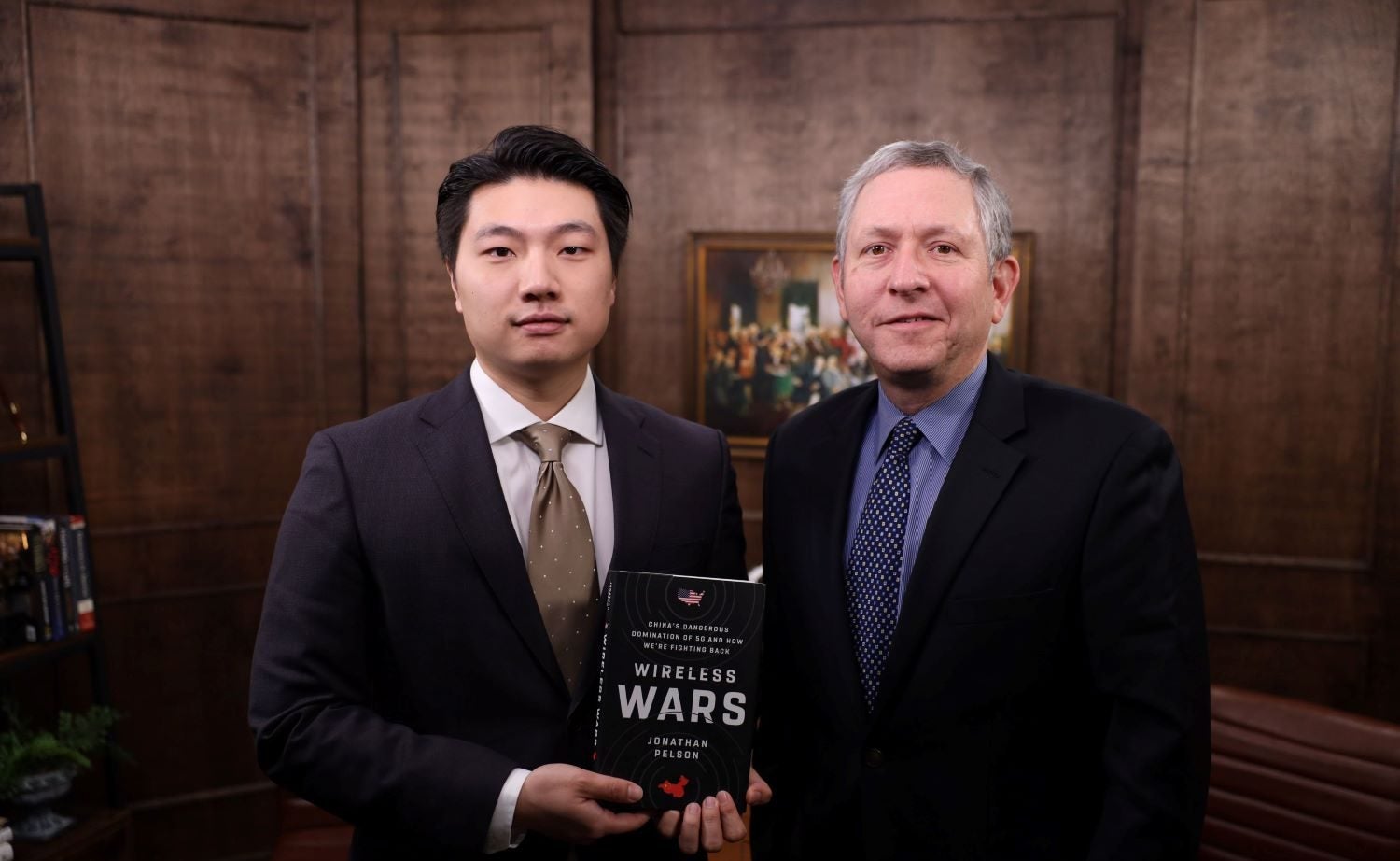
When David Zhang launched his YouTube channel covering China, geopolitics, and U.S.-China relations, he wasn’t trying to build a media company.
Today, his reporting and analysis reach millions across platforms, including more than 1.43 million YouTube subscribers, over 370,000 Instagram followers, and more than 100,000 Facebook followers. What began as a personal effort to explain China to English-speaking audiences has evolved into one of the largest independent digital media brands focused on China and geopolitics.
Yet Zhang insists the idea was much simpler when he started.
“I just uploaded what I knew the best and understood the best about China,” he says.

That straightforward approach would eventually help transform China Insider with David Zhang into one of the most recognized English-language platforms covering China and international affairs. Based on publicly available YouTube data, the channel has amassed more than 1.43 million subscribers, 926 million lifetime views, and a global audience that spans policymakers, business leaders, academics, and everyday viewers interested in understanding one of the world’s most consequential geopolitical stories.
For Zhang, however, audience growth was never the primary objective. The real challenge was making complicated international affairs understandable to ordinary people.
“There’s so much that connects Washington DC to the average folk on China than people realize.”
Many political commentators focus on policy papers, diplomatic statements, or elite discussions happening behind closed doors. Zhang saw an opportunity to bridge that gap. Rather than speaking exclusively to experts, he wanted to translate major geopolitical developments into language that everyday viewers could understand and discuss.
“Who says elite politics must be hard? I take it and break it down so it becomes dinner table talks.”
That philosophy became the foundation of his content strategy.
Instead of assuming viewers already understood the complexities of Chinese politics, trade disputes, technology competition, or foreign policy debates, Zhang focused on storytelling. He combined research, analysis, humor, and commentary into a format designed for broad audiences while maintaining the depth expected from serious geopolitical coverage.
“It’s funny, engaging, serious, truth telling all in one.”
The formula worked.
In a crowded digital media landscape, many creators struggle to find a distinct voice. Zhang’s content occupies a unique position between journalism, political analysis, and entertainment. Viewers come not only for information but also for context—understanding why events occurring thousands of miles away matter to their daily lives.
As the audience grew, so did the platform’s reach and influence. Publicly available YouTube data places the channel among the most-viewed independent platforms covering China and geopolitical affairs, despite launching years after many established competitors. The channel’s 926 million lifetime views reflect a level of sustained audience engagement rarely achieved in such a specialized field.
What makes the success particularly notable is the highly specialized nature of the subject matter. Building an audience around geopolitics is significantly different from building one around entertainment, sports, or lifestyle content. The barrier to entry is higher, the topics are more complex, and viewers often demand a greater level of credibility.
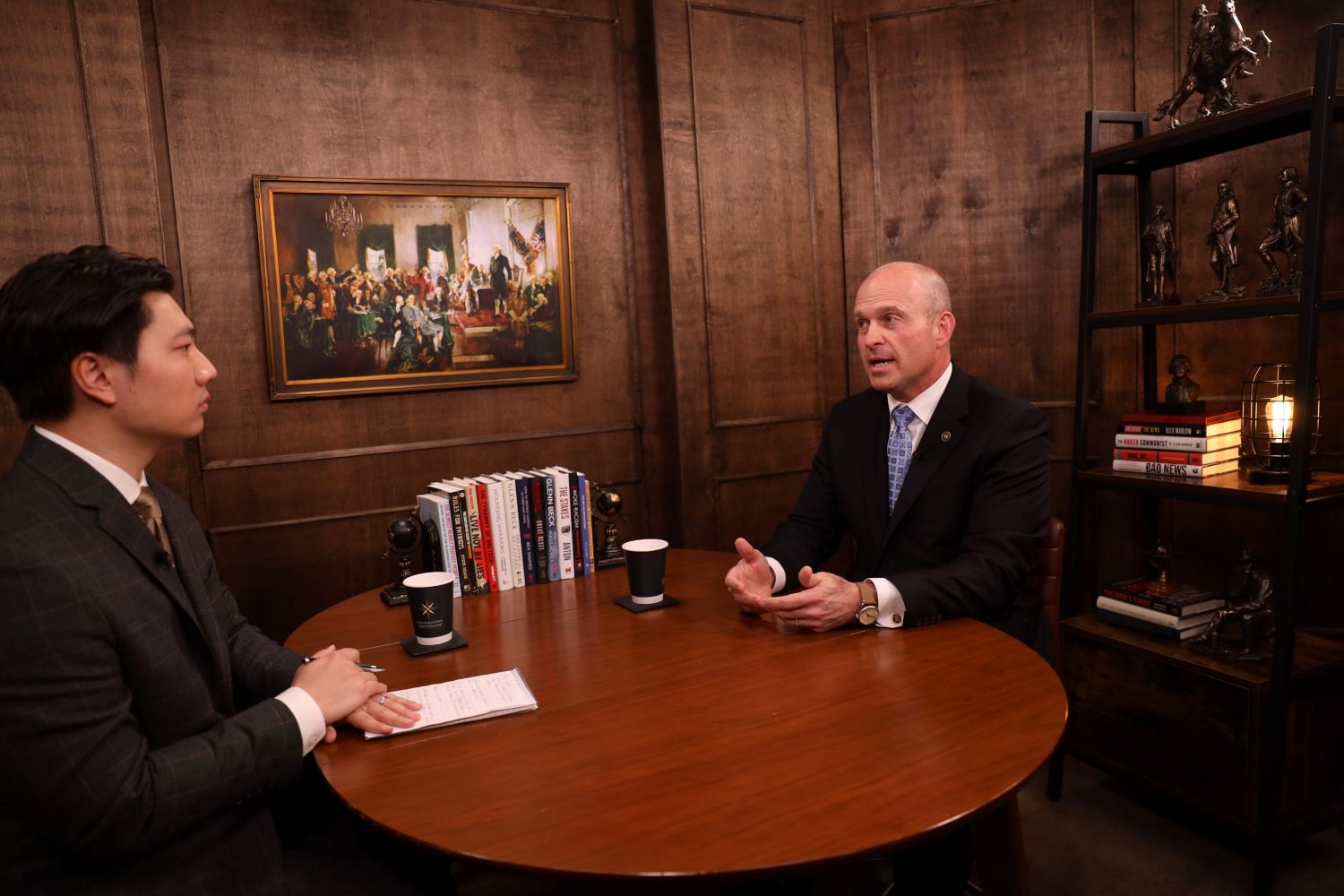
Beyond commentary, Zhang developed a reputation for conducting interviews with prominent figures whose perspectives shape public understanding of China and international affairs. Over the years, the platform has featured conversations with recognized policymakers, researchers, military experts, dissidents, and public figures, giving viewers direct access to voices that influence debates on global security, economics, technology, and human rights. Those interviews helped establish the channel as more than a commentary platform; it became a forum for serious public discussion on issues of international significance.
Zhang believes authenticity played a major role in the platform’s growth.
Rather than chasing viral trends, he focused on consistently covering developments he believed were important. Over time, that consistency helped establish trust with viewers seeking information about one of the world’s most consequential geopolitical relationships.
The audience growth also reflects a larger trend in modern media. Increasingly, viewers are turning to independent creators and digital-first platforms for analysis and commentary that was once dominated by traditional television networks and newspapers.

Successful creators today operate less like individual influencers and more like media companies. They build editorial processes, develop recurring formats, cultivate loyal audiences, and maintain publishing schedules comparable to professional news organizations.
China Insider exemplifies that evolution.
What began as a personal project has grown into a large-scale media platform reaching audiences across the globe. The channel publishes regularly, covers breaking developments, conducts interviews with influential figures, and engages with a community that spans multiple continents and professional backgrounds.
Yet Zhang remains focused on the relationship with his audience rather than the milestones.
“I don’t see it as the achievement, I see it as a reward from those that watch me.”
What started as one creator sharing what he understood best about China has become a media platform followed by more than a million subscribers and hundreds of thousands of followers across multiple platforms. For Zhang, however, success is not measured by rankings, views, or subscriber counts.
In an age of information overload, his approach remains remarkably simple: understand something deeply, explain it clearly, and earn trust one audience member at a time.
The numbers came later.