

A good workout does not really end when you leave the gym, roll up your mat, or step off the bike.
What you do after training matters too. In some ways, it matters just as much.
Recovery is the part of the process that helps the body adapt. It is when muscles repair, energy levels reset, and the nervous system gets a chance to come back down. Skip it too often, and even the best workout routine can start to feel harder than it should.
The good news is that recovery does not have to be complicated. You do not need a perfect routine, a cabinet full of supplements, or an entire day blocked off to rest. Most of the time, the smarter approach is simple: cool down, refuel, hydrate, sleep, and know when your body is asking for a break.
It is tempting to finish a workout and immediately move on with your day, but giving your body a few minutes to transition out of training mode can make a difference. A cool-down does not need to be dramatic. It can be a slow walk after a run, a few minutes of gentle cycling after a ride, or some easy mobility work after strength training. The point is to let your heart rate and breathing settle instead of going from full effort to a complete stop.
Stretching can also help your body feel less tight, especially if you are consistent with it. You do not need to turn every post-workout session into a full flexibility class. Even five minutes of focused stretching can help you feel more mobile and less stiff the next day.
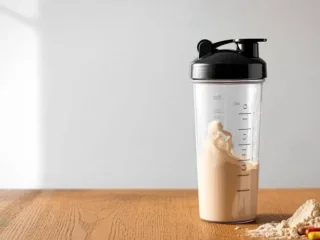
After a workout, your body also needs fuel. Protein helps support muscle repair, while carbohydrates help replace the energy you used during training. This does not mean you need to panic-drink a protein shake the second your workout ends. For most people, a balanced meal or snack within a reasonable window is enough. Think eggs and toast, Greek yogurt with fruit, chicken and rice, tuna with crackers, or a smoothie with protein and a carb source.
The biggest mistake is finishing a tough workout and then going hours without eating. That can leave you feeling tired, shaky, overly hungry later, or less prepared for your next session. Recovery nutrition does not have to be fancy. It just has to be consistent.
Hydration works the same way. It is one of those basic habits that is easy to overlook until you feel the effects. A headache, low energy, dizziness, or feeling unusually drained after a workout can all be signs that you did not get enough fluids. For shorter or lighter workouts, water is usually enough. If you are training for a long time, sweating heavily, working out in the heat, or doing endurance sessions, electrolytes may be worth adding.
Not every recovery day has to mean doing absolutely nothing, either. Sometimes, light movement can help you feel better than staying still all day. A walk, gentle cycling, stretching, yoga, or mobility work can all support recovery when the intensity stays low. The goal is to help your body loosen up, not sneak in another hard workout.
This can be especially helpful when you are sore but not injured. A short walk or gentle stretch session can improve circulation, reduce stiffness, and make your body feel less locked up. The rule is simple: active recovery should leave you feeling better, not more tired.
Sleep may be the most underrated recovery tool. It affects energy, focus, mood, appetite, and performance. If you are training hard but sleeping poorly, your body is going to feel it. A better recovery routine often starts at night: a consistent bedtime, less late caffeine, and some kind of wind-down before bed can all help. It does not have to be perfect. Even small changes can make a difference.
It is also important to know the difference between normal soreness and something more serious. Some soreness after a workout is normal, especially if you tried something new, increased your weight, changed your routine, or came back after time off. But soreness and pain are not the same thing.
Normal muscle soreness usually feels dull, achy, or stiff. It often improves with gentle movement and fades after a few days. Sharp pain, swelling, joint pain, numbness, limping, or pain that gets worse instead of better should not be ignored. Smart recovery means knowing when to push and when to pause.
Rest days are part of that too. They are not a sign that you are falling behind. Your body needs time to rebuild after training. If every workout is intense and every day becomes a challenge, fatigue can build quickly. That can make it harder to stay consistent and easier to get injured or burned out.
A strong fitness routine should include a mix of harder sessions, easier sessions, mobility, and rest. The goal is not to destroy yourself every time you work out. The goal is to train in a way you can actually sustain.
The best recovery habits are usually the ones you can repeat. Cool down. Drink water. Eat a balanced meal. Stretch for a few minutes. Get enough sleep. Take a rest day when you need one.
None of that sounds revolutionary, but it works. Recovery does not need to be loud or complicated to be effective. It just needs to be treated like part of the workout, not an afterthought.
Training is where you put in the work. Recovery is where your body gets the chance to respond to it.