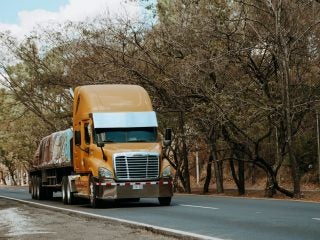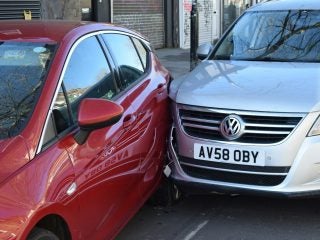

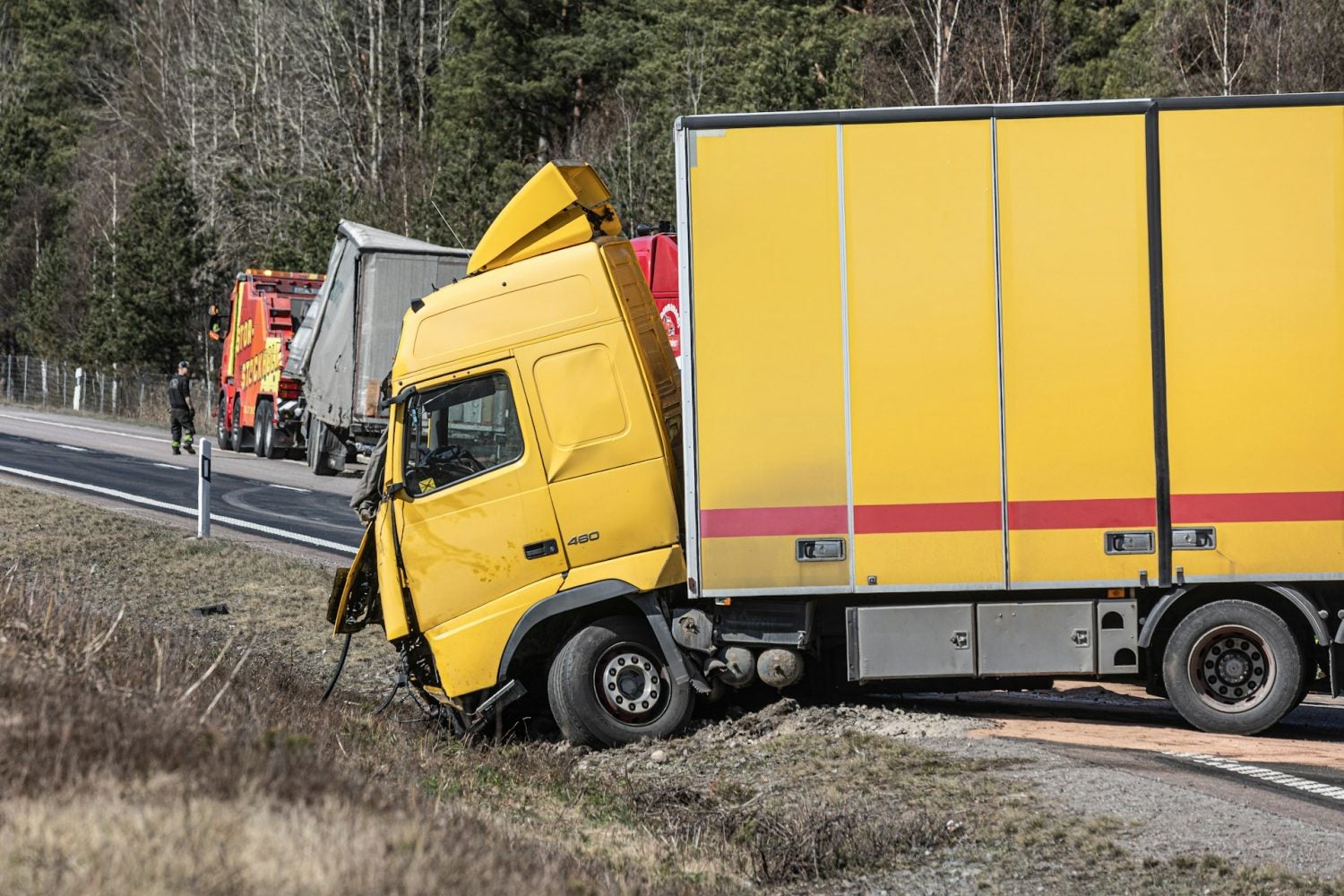
A truck collision claim may look simple at first glance.
One wreck, one driver, one injury report. That first impression rarely lasts. Commercial hauling depends on linked people, service vendors, freight handlers, and company rules that shape conduct before a vehicle reaches the road. Once records begin to surface, responsibility often spreads across several hands. A sound legal review asks who controlled the truck, the trip, the load, the schedule, and the safety choices before impact.
Liability Starts Wide
Early review rarely stops with the driver. Commercial trucking runs through layered contracts, leasing terms, dispatch orders, and safety rules. For that reason, guidance from a truck accident lawyer in California often matters once counsel starts tracing logbooks, maintenance entries, loading records, and policy language. Those materials can show that several actors shared control over the trip before impact occurred.
Driver Conduct
Driver behavior still anchors many claims. Speeding, fatigue, distraction, unsafe merging, and missed blind spots can produce catastrophic harm within seconds. A careful file review asks what set that conduct in motion. Dispatch pressure, poor rest planning, or weak instruction may have narrowed safe choices. That broader inquiry can change fault allocation and expand the pool of insurance coverage available after a serious crash.
Employer Responsibility
The carrier may face direct blame for its own decisions. Hiring someone with prior safety violations, skipping instructions, or pushing unreasonable delivery times can support liability. Company culture matters as much as roadway conduct. If supervisors reward haste and ignore warning signs, exposure widens fast. Internal emails, qualification files, and safety audits often provide the clearest picture of how management choices shaped the events.
Cargo and Loading
Freight condition can create danger long before a truck enters traffic. Uneven balance, poor securement, or excess weight may trigger rollovers, jackknife crashes, or extended stopping distances. In many situations, a shipper or warehouse crew handled that work. That separate role matters. Bills of lading, scale slips, photographs, and loading instructions can help show whether cargo movement or overload contributed to the collision.
Maintenance Chains
Heavy trucks rely on regular inspection and timely repair. Worn brakes, damaged tires, failed lights, or steering defects can turn a minor error into a severe event. Many fleets contract service work to outside shops. That arrangement adds another possible defendant. If a mechanic missed an obvious hazard or approved unsafe equipment for service, responsibility may reach beyond the trucking company itself.
Manufacturers and Parts
Some cases point past upkeep and into product failure. A defective tire, weak coupling assembly, or faulty brake component can place a manufacturer inside the claim. These disputes usually require technical proof, yet they can be important. Another source of fault may also mean another source of recovery. Recall notices, engineering inspection, and failure analysis often help explain whether the truck broke down because of design or production problems.
Road Design and Public Entities
Road conditions can shape a truck crash in important ways. Missing signs, poor lane markings, bad drainage, or unsafe construction zones may raise issues involving a public agency or road contractor. Those claims usually follow strict notice rules, so delay can cause real damage. Prompt investigation helps preserve photographs, traffic control plans, and maintenance records before repairs, weather, or routine changes alter the scene.
Evidence Connects Parties
Multi-party claims stand on records, not assumptions. Electronic logging data, dispatch messages, onboard module downloads, camera footage, weigh tickets, and repair invoices can reveal how separate decisions joined into one loss. Witness testimony still matters, though documents often carry greater force. When evidence is preserved early, the chain of fault becomes easier to map, and defendants have less room to shift blame onto each other. Firms like California Trial Law Group review these records to help identify the potentially responsible party.
Insurance Layers Change Strategy
Several defendants usually mean several insurers. One policy may cover the driver, another may protect the carrier, and others may apply to loading firms, repair vendors, or public contractors. Coverage terms, exclusions, and defense positions can differ sharply. That shifts the case strategy from the start. A claim with many parties may move more slowly, yet it can also create a fuller path to compensation that reflects the true scale of harm.
Conclusion
Truck collision claims often involve multiple parties because commercial transport depends on shared duties at every stage of a trip. The driver, carrier, loader, mechanic, manufacturer, and road authority may each influence safety before a crash occurs. A narrow review can miss critical proof and limit recovery. A broader investigation helps connect the choices that produced the impact. That method gives injured people a stronger path to accountability, insurance access, and fair case value.