
Rust is the silent tax every ute owner pays for living in the real world. It doesn’t just appear out of nowhere; it’s an engineered failure caused by poor habits and trapped atmosphere.
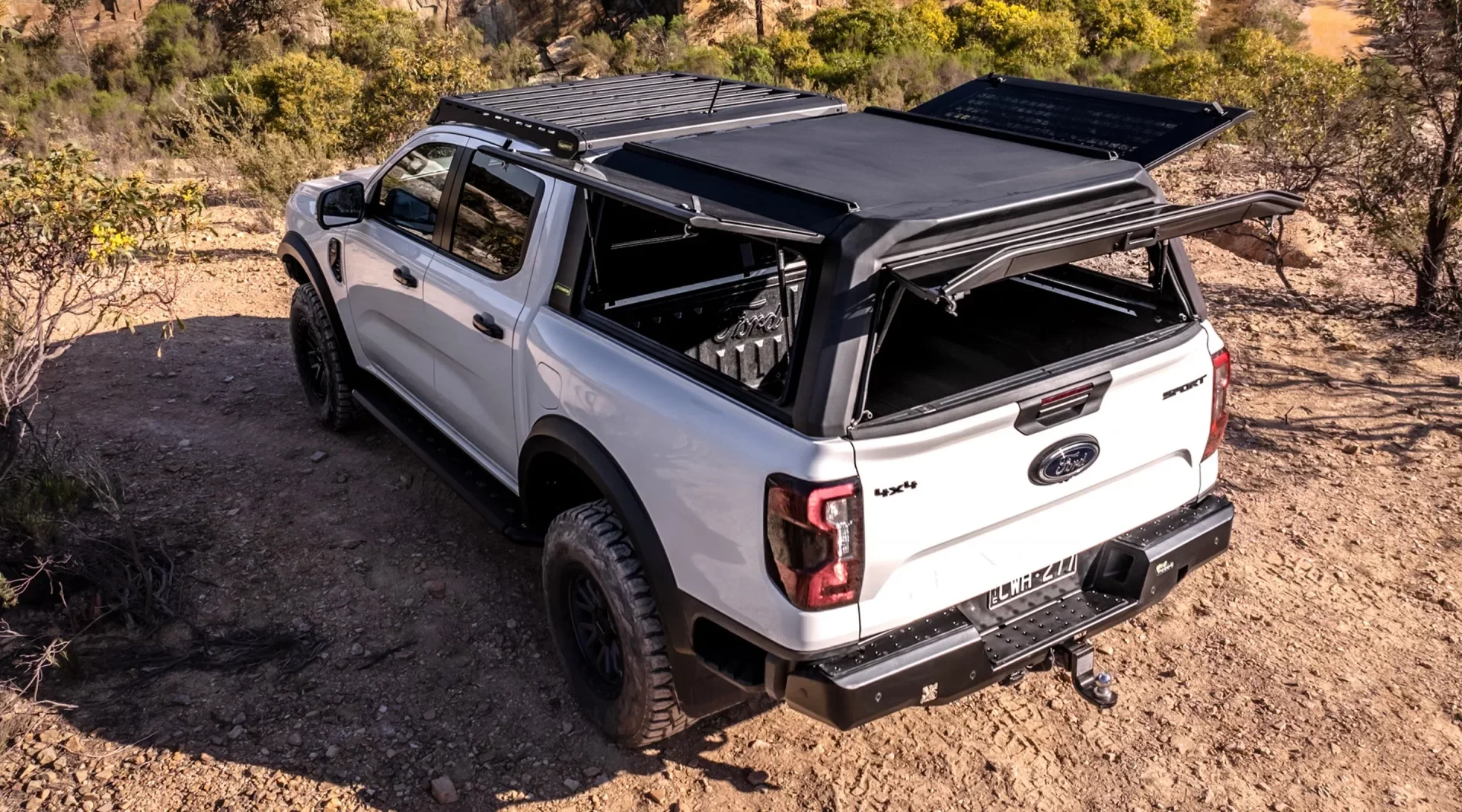
If you’ve just bolted on a new Ford Ranger canopy to get your gear sorted, don’t treat it like a bank vault you never have to check.
A tray shouldn’t be a tomb for moisture. If you want the steel to outlast your next payment, you have to stop thinking of maintenance as a chore and start viewing it as a defensive strategy.
Addressing the Root Causes of Moisture Buildup
Condensation is just physics throwing a party in your tray. When the temperature drops, the metal skin of your canopy cools down, turning the air inside into water. That’s the baseline. It gets worse when you bring the outdoors in with you.
If you’re tossing wet tarps, muddy boots, or sodden timber onto the floor, you’re dumping litres of water into a confined space that can’t breathe. Don’t just dump your gear and walk away. Elevate your wet stuff on a crate or, better yet, dry it out before it goes anywhere near the back of the truck.
The Importance of Taking Care of Rubber Seals
Those strips of rubber around your windows and doors are doing all the heavy lifting. When they’re new, they’re perfect. As they age, they dry out, crack, and collect grit, turning from a seal into a funnel for rainwater.
Most people wait for a leak before they act, which is the exact wrong time to look. Wipe them down with a damp cloth after you’ve been on a dusty site. A quick smear of silicone spray every now and again keeps the rubber alive and ensures it actually stays flush against the frame.
Improving Airflow to Combat Humidity
If you think locking everything tight keeps the water out, you’re mostly just trapping the humidity inside. Stagnation is what rots metal. You want a bit of airflow to keep the air moving, which pulls the moisture out before it can settle on your gear.
If your setup feels like a steam room when you open it, look into installing some low-profile vents. They’re built to let air cycle through while keeping the weather out. It’s a small, ugly bit of plastic that saves your floor from turning into a rust bucket.
Strategic Protection of Exposed Metal Surfaces
Your canopy might be coated in heavy-duty paint, but rust is lazy. It doesn’t go for the flat panels; it heads straight for the hinges, the locks, and the bolt heads. These spots are where the coating is thinnest or where metal meets metal. Spend ten minutes with a can of water-displacing spray once a quarter.
Hit every hinge and lock you can find. It creates a barrier that salt and moisture can’t chew through. It’s not about making things look shiny; it’s about making sure your tailgate doesn’t seize up when you need it most.
Managing the Interior Floor and Cargo Bed
The floor is the graveyard for your tray’s health. If you’ve got a rubber mat, you’ve effectively created a long-term water storage device. Water gets under the edge, gets stuck between the rubber and the steel, and just sits there. It’s an ideal recipe for hidden corrosion.
Pull your mats out. Sweep out the grit. Dirt holds water like a sponge and turns your floor into a rusted mess before you even notice the paint bubbling. A bare, clean floor is a happy floor.
Final Thoughts
Look, a ute is a tool, not a display piece, but there’s no reason it should fall apart because of a bit of dew. It all comes down to managing the environment you’ve built inside that box. Keep the air moving, keep the dirt out, and don’t let water have a place to sit undisturbed.
If you’re proactive, you won’t be dealing with structural rot three years down the line. Keep it clean, keep it dry, and your gear will stay exactly where you left it.